Understanding Hurricane Risk and Your Fence in Duval County
Living in Jacksonville means understanding the realities of hurricane season, which runs from June through November each year. Your home's fence is often one of the first structures to experience damage when severe weather strikes, yet many homeowners don't give their fencing the attention it deserves during storm preparation. Whether you have a Wood & Privacy Fence Installation, Vinyl & PVC Fence Installation, or Chain Link Fence Installation, understanding how your fence will respond to high winds and heavy rain is essential to protecting your property and maintaining your homeowner's insurance coverage.
Duval County experiences tropical storms and hurricanes more frequently than many other parts of Florida, making fence maintenance and preparedness a legitimate concern for property owners. Wind damage to fencing can be costly to repair, and a compromised fence can create liability issues if it falls onto a neighbor's property or causes injury. Additionally, if your fence encloses a pool, there are specific code requirements you must maintain year-round, including during hurricane season. Taking the time now to assess your fence's condition and make necessary improvements can save you thousands of dollars in emergency repairs and potential legal complications down the road.
Pre-Hurricane Fence Inspection: What Every Jacksonville Homeowner Should Check
Before hurricane season intensifies, schedule a thorough inspection of your fence. Start by walking the entire perimeter and looking for signs of rot, loose boards, rusted hardware, or leaning posts. If you have a wooden fence, check for soft spots by pressing on the wood with a screwdriver or your finger. Rotting wood loses its structural integrity and will fail much faster under wind stress than sound wood. Pay special attention to the base of fence posts, where moisture accumulation and ground contact cause the most deterioration over time. If you notice significant damage, contact Jacksonville Fence Pros at (904) 643-6174 to discuss repair options before storm season peaks.
For Aluminum & Ornamental Iron Fencing, check all bolts and fasteners to ensure they're tight and not corroded. Metal fences are generally more wind-resistant than wood, but loose connections can still cause sections to fail. If you have a vinyl fence, inspect for cracks or brittleness, especially if your fence is older or has been exposed to intense Florida sun. Check all gate hinges and latches, and ensure that any pool fence gates operate smoothly and close completely. Gates are particularly vulnerable during high winds, and a malfunctioning gate can create safety hazards and code violations. Look for any gaps or separation between panels and posts, as these will only worsen when wind pressure increases.
Pool Fence Code Requirements and Hurricane Preparedness in Jacksonville
If your property includes a swimming pool, your fence must meet specific safety and code requirements set by Duval County and the State of Florida. Pool fencing is not just a safety feature during normal weather; it also plays a critical role in protecting your family and maintaining your property's legal compliance during hurricane season. Contact Jacksonville Fence Pros for a free estimate if you're unsure whether your pool fence meets current code standards. The pool fence height requirements in Florida mandate that fencing surrounding a pool must be at least four feet tall, measured from the ground to the top of the fence. This height requirement serves both safety and wind-resistance purposes, as a properly built four-foot fence is more structurally sound than shorter alternatives.
Beyond height, Jacksonville pool fence installations must include a self closing pool gate that closes and latches automatically. This gate must open away from the pool and be equipped with a reliable locking mechanism that cannot be easily manipulated by children. During hurricane season, ensuring your self closing pool gate is in perfect working condition is essential. High winds can stress gate hinges and latches, potentially causing them to fail. Test your gate regularly, and if it doesn't close smoothly or the latch is loose, schedule repairs immediately. Additionally, pool fence code requirements specify that there cannot be gaps larger than four inches between vertical slats or between the bottom of the fence and the ground. Gaps that meet code during calm weather can become liabilities during high winds, so inspect these areas carefully.
Strengthening Your Fence Against Hurricane-Force Winds
If your fence inspection reveals weak points, there are several strategies to strengthen it before hurricane season becomes severe. For wooden fences, one of the most effective improvements is ensuring that posts are set deep in the ground, typically at least three feet for a four-foot fence. Posts that are set too shallow will pivot under wind stress, causing the entire fence to fail. If your fence posts are shallow, consider having them reset by professionals who can excavate and re-cement them properly. Additionally, adding or reinforcing cross-bracing between posts can dramatically improve wind resistance. Metal bracing or additional horizontal support beams distribute wind load more evenly across the fence structure, preventing individual panels from buckling.
Another critical improvement is maintaining proper drainage around your fence. Standing water and saturated soil weaken the foundation that holds your posts in place. Ensure that gutters and downspouts direct water away from your fence line, and consider grading the soil to promote drainage. For vinyl and metal fences, ensure all fasteners are stainless steel or galvanized to resist corrosion. Corroded fasteners lose holding power and are more likely to fail under stress. If you're considering a complete fence replacement or major reinforcement, this is an ideal time to discuss options with Jacksonville Fence Pros. Our team can assess your current fence and recommend whether repairs, reinforcement, or replacement is the best solution for your property and budget.
Post-Hurricane Recovery: Repairs and Restoration for Duval County Homeowners
If your fence sustains damage during a hurricane, prompt action is important both for safety and for insurance purposes. Document all damage with photographs and video before making any repairs, as your homeowner's insurance may cover fence damage depending on your policy. Contact Jacksonville Fence Pros at (904) 643-6174 to schedule an assessment of storm damage. We can provide detailed estimates for repairs and help you understand what work is needed to restore your fence to safe, code-compliant condition. If your pool fence has been damaged, restoring it to meet pool fence code requirements is not optional. A non-compliant pool fence creates liability exposure and may result in fines from Duval County.
Common post-hurricane fence repairs include replacing broken boards, resetting leaning posts, repairing or replacing damaged gates, and reinforcing weak connections. The extent of damage often determines whether repair or replacement is more cost-effective. A fence with isolated damage to a few panels may be repairable, while a fence with widespread structural failure may be better addressed through replacement. If replacement is necessary, this is an opportunity to choose a more wind-resistant material or design. Many homeowners in Jacksonville upgrade to vinyl or aluminum fencing after hurricane damage, as these materials generally withstand high winds better than wood. Whatever path you choose, addressing storm damage promptly protects your property and prevents further deterioration.
Ongoing Maintenance to Keep Your Fence Hurricane-Ready Year-Round
Protecting your fence during hurricane season is not a one-time project but an ongoing commitment to maintenance and vigilance. Establish a seasonal inspection routine, ideally checking your fence at the beginning of hurricane season in June and again in late August or early September when the most intense storms typically occur. Look for new damage, loose fasteners, and any changes in the fence's structural alignment. Keep vegetation trimmed away from your fence line, as overgrown plants can trap moisture against the fence and accelerate rot. Additionally, vines and heavy vegetation can catch wind and place extra stress on fence structures during storms.
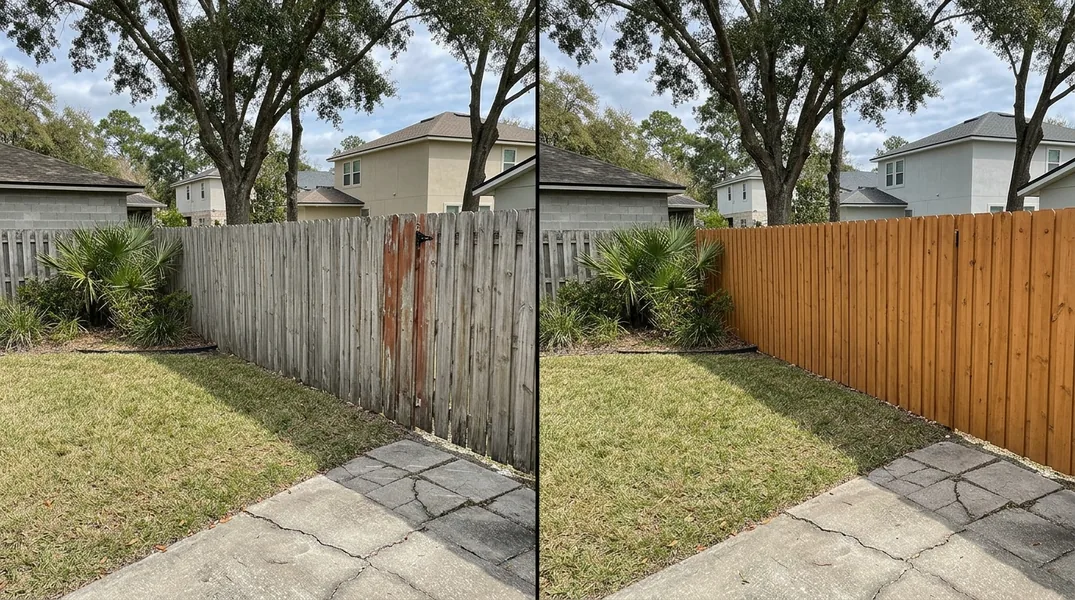
Regular maintenance also includes keeping your fence clean and protected. For wooden fences, applying a quality sealant or stain every two to three years protects the wood from moisture damage and UV deterioration. For vinyl and metal fences, regular cleaning removes salt spray and other corrosive materials that accumulate in coastal areas. If you're uncertain about the best maintenance approach for your specific fence type or material, Jacksonville Fence Pros can provide guidance and professional maintenance services. By investing in preventive care now, you'll extend your fence's lifespan, maintain its appearance, and ensure it's as prepared as possible for whatever hurricane season brings. For questions about your fence or to schedule an inspection, contact Jacksonville Fence Pros today at (904) 643-6174 or visit our website to request a free estimate.
Looking for a professional tree service in Jacksonville? Jacksonville Fence Pros responds fast for all your fence needs.
Get a Free Quote